HVAC repair service Salt in Lake City
<!doctype html>
Why Your Utility Bills Spike Every Summer in Utah
Why Your Utility Bills Spike Every Summer in Utah
Salt Lake City summers bring dry heat, high-altitude air, and big temperature swings between afternoon and night. Those forces push air conditioners hard. Many homes see a sharp jump in power use from late May through September. That jump is not random. It follows physics, local climate, and specific wear patterns in compressors, coils, and controls. The result can be a bill that is 20 to 40 percent higher than the shoulder seasons, even before a fault occurs.
Just Right Heating & Cooling (and Plumbing) works every day inside this climate. The team sees the same patterns in Sugar House bungalows, Yalecrest brick cottages, Federal Heights view homes, and Capitol Hill row houses. They see it in older duct systems near The Avenues and in tighter builds near Foothill and the University of Utah. The company’s approach is simple. Diagnose the exact cause, correct the restriction or failure, and tune the system to run right in thin mountain air. That is where the savings sit.
High-Altitude Physics and Your AC Bill
Salt Lake City sits near 4,300 feet above sea level. Air is less dense here. That matters. Most central air conditioners, ductless mini-splits, and air source heat pumps move heat by pushing a set volume of air over a cold coil and then over a hot coil outside. At higher elevation, every cubic foot of air carries fewer molecules and less heat. Fans must work harder. Compressors face higher compression ratios on triple-digit afternoons. Nameplate capacity often derates by 10 to 20 percent at this altitude. The same system will do less work per minute than it would at sea level. The thermostat calls for longer cycles, and your meter spins faster.
Now add Utah’s big daily swings. A 98-degree afternoon that falls to 65 degrees at night makes systems short-cycle at sunset, then surge again the next day. Short cycling increases start and stop losses. Blower motors and start capacitors run hotter. A worn capacitor adds reactive power draw and can double the time it takes a condenser fan to ramp. That heat and dwell time feed failure. Each extra start can add pennies that become tens of dollars over a month.
Great Salt Lake Dust, Alkaline Minerals, and Coil Fouling
Salt Lake County airflow is not clean, especially on windy days or during lakebed dust events. The dust has alkaline mineral content. It binds to condensate on evaporator fins and to the oil film on outdoor condenser coils. A thin film reduces heat transfer. One season of mineral dust can raise head pressure by 10 to 25 psi. Higher head pressure means the compressor draws more amps for the same cooling. That is a direct energy penalty.
Outdoor condensers in Rose Park and West Valley City see more street dust. Condensers near Sugar House Park collect cottonwood fluff in June. Units near Red Butte Garden catch pollen that mats with minerals into a felt-like layer. Standard all-purpose cleaners do not lift this film. The coil needs an alkaline-compatible or acid-neutral cleaner and a controlled rinse. Untrained cleaning can fold fins and make matters worse. Just Right technicians use coil combing and a metered rinse to restore static pressure without fin damage.
Winter Inversions, PM2.5, and MERV 13 Filtration That Actually Works
Salt Lake’s winter inversion story affects summer bills. Many homes run MERV 13 filters year-round to manage PM2.5 from winter inversions and wildfire smoke. That is a good choice for lungs. It is a stress test for blowers if duct static is already high. A MERV 13 filter can add 0.10 to 0.25 inches of water column to total external static. In older Yalecrest and Liberty Wells homes with narrow returns, total static can hit 0.9 inches on a hot day. That reduces airflow, cools the evaporator coil below freezing, and forms ice. The system runs and runs while moving little air. Your bill climbs even though the house still feels warm.
A good solution pairs MERV 13 with duct improvements. That can be a larger return drop, a second return in a hallway, or a variable-speed blower profile that ramps to hold target CFM. Static pressure testing with a manometer tells the truth. Guessing by “feel” misses the mark and drains your wallet all summer.
Common Faults That Inflate Power Bills in Salt Lake City
Several recurring faults show up every June and July across 84101, 84102, 84103, 84105, 84106, 84108, 84111, and 84115.
A refrigerant leak lowers suction pressure and drops coil temperature. Ice forms on the evaporator. Airflow falls. The compressor runs longer at higher amps, and comfort slips. A frozen evaporator coil also blocks condensate paths and floods a drain pan. Water can overflow near finished spaces in The Avenues and Capitol Hill. A leak can hide behind “it still cools a little” while adding 15 to 30 percent to your bill.
A blown start capacitor is another summer regular. If the outdoor unit hums but the fan is not spinning, the start capacitor likely failed in the heat. That single part failure forces a hard start and spikes amp draw, when the compressor even starts at all. Swapping the capacitor reduces demand and restores proper fan speed. Just Right’s technicians arrive stocked with universal start capacitors and contactors and resolve about 90 percent of AC failures on the first visit.
Clogged condensate lines add silent cost. A blocked line shuts down cooling at the worst time. Many cut-out switches reset after the pan drains hours later, which means your system cycles aimlessly, eats power, and does not remove heat. Clearing the condensate line and verifying the trap geometry prevents that waste. This is common near older basements in Liberty Wells where trap legs settle and create dead legs for biofilm.
Short cycling can stem from an oversized system or an aggressive thermostat algorithm. At altitude, an oversized system removes less latent load and can shut off early with uneven room temperatures. Compressors accumulate heat and start again within minutes. That is a wear and power problem. A thermostat with adaptive staging and longer minimum run-times can smooth the pattern. A correctly charged system and a tuned expansion valve (TXV) or metering device stabilize superheat and reduce false trips.
Dirty condenser coils are simple but costly. A 20 percent blockage can add several hundred watts to compressor draw. On a 10 SEER system from the late 1990s still running in Rose Park, that can be the difference between a system that keeps up and one that makes you think it is “out of Freon.” Cleaning and straightening the condenser coil changes the bill the next day.
Appliance Type Matters: Central AC, Mini-Splits, and Heat Pumps
Central air conditioners in Salt Lake City take most of the load in July and August. Many are paired with gas furnaces that drive blowers at fixed speeds. Those blowers expect certain static. If duct conditions changed during a remodel in Capitol Hill or Yalecrest, the blower may be locked on a tap that no longer fits the duct. That mismatch raises energy use. A quick check of motor taps or variable speed profiles can shave runtime and lower noise.
Ductless mini-splits perform well at altitude because inverter compressors modulate. High-efficiency Mitsubishi Electric systems and Daikin VRV units adjust capacity to match the load. They use electronic expansion valves to hold stable superheat, which helps in dry heat. Mini-splits need clean microchannel coils. The thin fins foul fast in Great Salt Lake dust and near construction zones in Millcreek and Murray. A dirty mini-split coil loses capacity quickly and pushes watt draw up. Filter screens in heads look clean while the coil hides the real restriction.
Air source heat pumps and dual-fuel systems help during swing seasons. In summer they run as standard AC. Their reversing valve and additional controls add possible failure points. A stuck reversing valve or a weak contactor can hold the unit halfway, which throws away energy. That fault can be subtle. You feel cool air, but the meter shows a jump. A trained tech checks coil temps, line-set saturation, and contactor voltage drop to confirm the mode is correct.
Salt Lake City’s Housing Stock and Duct Reality
The Avenues and Federal Heights often have long supply runs to upper floors with limited returns. Those homes need higher blower speeds in summer and careful balancing. Sugar House and Liberty Wells homes have tight basements with short return drops and undersized grilles. Yalecrest has many vintage returns that are too small for MERV 13. Bountiful and Holladay homes with larger footprints often hide attic duct runs that lack proper sealing. Each pattern changes static pressure and airflow. The system’s efficiency depends on matching blower performance to the duct and filter path.
Just Right’s team measures static in two points. The return side before the blower and the supply side after the coil. The target is often below 0.5 inches total for many Carrier, Trane, Lennox, Rheem, and Goodman systems. If total static is higher, the company looks for crushed flex runs, closed dampers to guest rooms, or tight filter grills with no relief. Simple changes save energy without touching the outdoor unit.
Thermostats, Setpoints, and Demand Peaks on the Wasatch Front
Thermostats do more than display a number. A smart thermostat can stagger recovery so the system avoids the late afternoon demand spike. That matters on triple-digit days near the Vivint Arena and downtown office corridors where heat islands form. A setback to 80 during the day that recovers to 75 at 5 p.m. Can cause a long high-amp pull during peak grid stress. A gentler glide from 78 to 75 between 2 p.m. And 5 p.m. Reduces compressor head pressure and shortens total runtime. The monthly bill changes with that small detail.
Homes near Temple Square and the Utah State Capitol built of thick masonry can benefit from an earlier pre-cool. Newer homes in South Jordan and Draper with spray foam attics can hold a steady setpoint and skip large setbacks. There is no one right rule. The control plan follows the building and the duct. A quick load profile check with supply and return temperatures tells a tech how to program a schedule that reduces energy use without sacrificing comfort.
Why Simple Maintenance in Salt Lake City Pays Back Fast
An HVAC tune up near you does more than tick a box. In this valley, it protects efficiency from dust, altitude, and heat extremes. A precision HVAC tune up in Salt Lake City includes coil cleaning with the correct chemistry, capacitor testing under heat load, contactor inspection for pitting, thermostat calibration, verification of proper expansion valve operation, and condensate line clearing. It also includes checking refrigerant charge by superheat and subcooling, not “by feel.” A two-degree miss on subcooling at altitude can raise head pressure and add real cost by the end of July.
Just Right’s 20-point inspection aims at the parts that drive utility bills. The team tests start capacitors and run capacitors with meters, not guesses. They check contactor voltage drop under load. They verify blower wheel cleanliness and set variable speed blowers to match measured static. They inspect the drain pan and the trap, then flush the condensate line. They confirm that MERV 13 filtration does not push static past the blower’s curve. They clean condenser coils the right way for Great Salt Lake dust. They document compressor amps, supply and return delta, and thermostat differential.
That thorough approach matters across neighborhoods like Sugar House, The Avenues, and Capitol Hill. It matters across zip codes like 84105, 84106, and 84108. It matters for older Lennox central air systems and modern Mitsubishi Electric ductless systems. The end goal is a steady, quiet, and efficient cycle that holds setpoint without long ramps or frequent starts.
Real-World Cases From Salt Lake City Homes
A two-story in 84106 near Sugar House Park saw July bills jump 28 percent year over year. The system was a 14 SEER Goodman paired with a variable-speed furnace. The culprit was two-fold. A loaded condenser coil under cottonwood fluff and a return drop with a pressed metal elbow that had collapsed. The repair was a thorough coil clean and a new sweep elbow. The blower profile changed from 0.9 inches static to 0.58 inches. The next cycle shaved three minutes off the average runtime during 95-degree afternoons.
A brick bungalow in The Avenues used MERV 13 to battle winter inversion air. Summer comfort was poor. The evaporator coil froze daily. Static measured at 1.0 inches. The fix combined a larger return grille, a second return in the hall, and a blower profile change. The home kept the MERV 13 filter and dropped July kWh by 18 percent. No change to the outdoor unit was needed.
In Yalecrest, a Daikin ductless system ran well for three years, then runtime and bills rose. The air handlers looked clean. The issue was microchannel coil fouling in the outdoor unit from mineral dust. Careful cleaning with the correct pH solution and a lower-pressure rinse restored capacity. The owner felt colder air within minutes and saw a smaller bill the next month.
Brand-Specific Nuance That Affects Efficiency
Carrier, Trane, Lennox, Rheem, Goodman, York, and American Standard units each have control quirks. Some older Lennox boards command blower ramps that hold a fixed CFM regardless of static. That can push noise and still fail to deliver the right flow across a dirty coil. Trane communicators hold tighter control over blower torque but can hide early warnings in error logs if no one checks. Rheem and Goodman air handlers can be generous with latent removal when charged correctly, but they must hit the right superheat target. Variable-speed Mitsubishi Electric and high-end Daikin units thrive when filters are clean and line sets are insulated end to end. Honeywell Home smart thermostats can help by staging recovery, but they need a tune that aligns with the duct and coil.
Factory-authorized maintenance matters. Just Right provides warranty and post-warranty service using OEM parts where the brand requires it. That includes contactors, start capacitors, and expansion valves that meet the original spec. Substituting parts can save a day but cost a summer in performance. The company services Bosch, Goodman, Lennox, Carrier, Trane, Rheem, York, American Standard, Daikin, and Mitsubishi Electric systems across Salt Lake County.
How Utility Programs and Proper Sizing Lower Bills
As a Rocky Mountain Power Trade Ally, Just Right Heating & Cooling helps homeowners qualify for rebates on high-efficiency equipment and controls. That includes incentives for variable speed motors, smart thermostats, and certain high-efficiency heat pumps. Rebates change, so a quick eligibility check saves time. The right system sized for altitude and duct layout avoids oversizing that creates short cycling and high bills. Load calculations account for elevation, solar gain near south-facing windows in Federal Heights, and shade from mature trees in Rose Park.
Homes near the foothills see afternoon winds that cool quickly after sunset. A variable-capacity system that tracks the falling load can hold comfort while pulling less power. Solid design makes that happen. A rushed replacement with a larger condenser tends to cost more to own after year one.
What To Check Before Calling for Service
Many issues have a simple cause that you can address. A short check can avoid an emergency call at 8 p.m. On a Saturday. If the home still feels warm after these checks, a trained tech should inspect the system the same day, especially during a heat wave.
- Confirm the thermostat is set to Cool and the setpoint is below room temperature.
- Check the filter. If it is loaded, replace it. MERV 13 clogs faster in July and August.
- Inspect outdoor condenser fins for visible debris or cottonwood fluff. Do not bend fins.
- Look for ice on the copper lines near the air handler. If you see ice, turn the system off and run Fan to thaw.
- Verify the condensate drain is dripping outside when the AC runs. A dry line on a hot day can signal a blockage.
High-Bill Red Flags That Point to a Fault
Rising bills do not always mean “it is hot.” Certain symptoms link to specific failures that increase energy use and risk damage. These cases need quick attention from an HVAC repair service in Salt Lake City, UT.
- Outdoor unit hums but the fan is still. That often means a failed start capacitor.
- Warm air from vents with a running condenser can point to a failed contactor or low charge.
- Short cycling every few minutes suggests a thermostat issue or oversized system at altitude.
- Water pooling near the furnace or air handler signals a clogged condensate line or drain pan issue.
- Grinding or squealing noises from the blower motor are early warnings of a failing bearing or belt.
Why Emergency Repairs Sometimes Cost More Than a Tune Up
Salt Lake City heat loads are spiky. A small restriction that seems fine in June becomes a mid-July outage at 4 p.m. Emergency repairs fix the symptom but can miss an upstream cause. A proper tune up finds and corrects the cause early. Clearing a condensate line in May is cheap. Replacing a water-damaged blower motor in July is not. Cleaning a condenser coil in the spring takes less time. Pulling a matted coil apart during a 100-degree rush takes longer and delays comfort. The difference shows up on the bill and on stress levels.
Local Reach, Fast Response, and Stocked Trucks
Families in Salt Lake City and nearby communities can get same-day help. The company dispatches from locations near Sugar House Park to reach 84105 and 84106 quickly. Teams cover The Avenues, Capitol Hill, Liberty Wells, Yalecrest, Rose Park, and Federal Heights. Crews also serve West Valley City, Murray, Millcreek, Sandy, Draper, Holladay, Bountiful, and South Jordan. The proximity helps on 100-degree days when wait times matter.
Trucks arrive stocked for common summer failures. Universal start capacitors and contactors resolve the majority of no-cool calls in one visit. That stock includes fan motors, drain pan float switches, and common compressor contactors for Carrier, Trane, Lennox, Rheem, Goodman, York, American Standard, Daikin, and Mitsubishi Electric systems. The goal is to restore cooling and cut the energy penalty in the same appointment.
Hard Numbers: What Saves Money Fast in Salt Lake City
Cleaning an outdoor coil fouled with lake dust often cuts condenser amps by 10 to 20 percent. Correcting low refrigerant charge back to target subcooling can restore 15 to 30 percent of lost capacity. Fixing a failed start capacitor can drop starting amps dramatically and stabilize runtime. Adding a second return to drop static by 0.2 inches can reduce blower watts and stop coil freeze. Each action lowers power use and improves comfort during the hottest weeks.
Upgrading to a high-efficiency mini-split in a finished attic or addition often provides the biggest single-zone savings. Many owners near Foothill and the University of Utah campuses choose Mitsubishi Electric or Daikin for those spaces. For full-home systems, a variable-speed central air conditioner from Trane, Lennox, or Carrier paired with a smart thermostat and MERV 13 filtration can deliver strong comfort and controlled bills. The savings depend on duct quality and installation detail. Design beats marketing on this front.
Indoor Air Quality Without the Energy Penalty
Many Salt Lake City owners care about PM2.5 during inversions and smoke season. MERV 13 is the right filter grade for health targets. To keep energy use in check, pair that filter with the right return sizing and blower profile. Seal duct leaks so the blower does not pull hot, dusty attic air. Consider adding a dedicated filtration unit for recirculation cycles outside peak cooling hours. That way the system polishes indoor air without heavy compressor runtime. A Just Right tech can measure total static, suggest grille changes, and set the blower to meet both clean air and energy goals.
Why Local Knowledge Beats Generic Advice
A national checklist ignores the Great Salt Lake effect, altitude, and the duct realities of historic Salt Lake homes. It ignores the alkaline dust that requires specific cleaners. It ignores how winter inversion choices affect summer airflow. Local homes need local answers. Just Right teams tune systems for these exact conditions day after day. The focus is on real measurements and clear results. That is why neighbors near Red Butte Garden and the University district call early each season for an HVAC tune up near them. It pays off when the heat arrives.
Signs You Need Professional Help Now
If your bill jumped sharply last month and the home still feels sticky or uneven, you likely have a refrigerant or airflow problem. If the condenser runs long and the supply air is barely cool, head pressure may be high from a dirty coil. If the thermostat reads cool but upstairs rooms lag, duct balance or return sizing needs attention. If you hear clicking at the outdoor unit and brief starts, a contactor or capacitor is failing. These are quick fixes for a trained team. Waiting turns small faults into larger costs.
HVAC Repair Service in Salt Lake City Backed by Trust
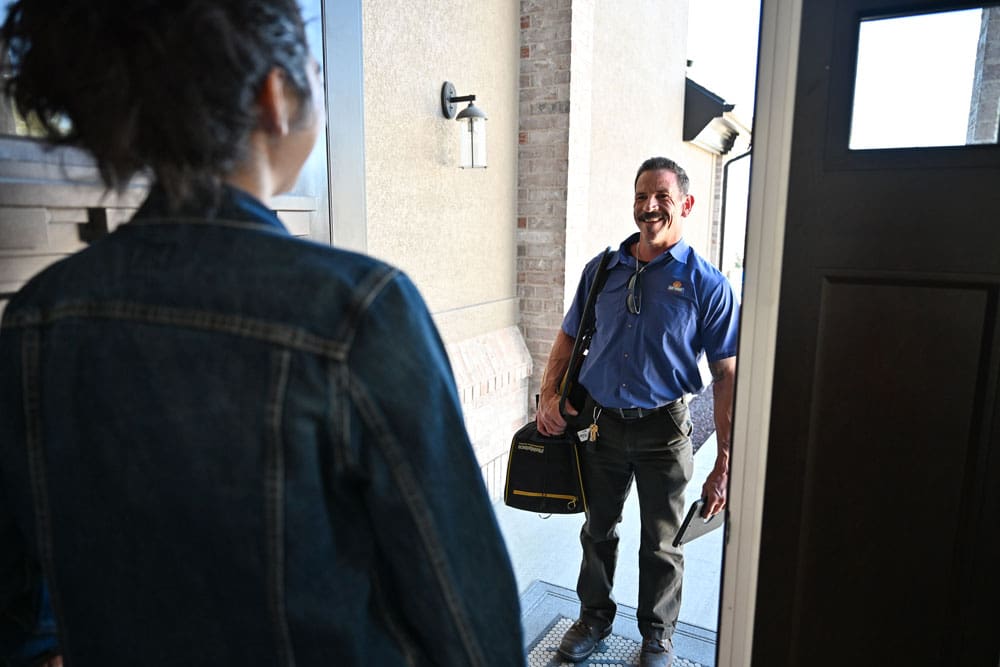
Homeowners can expect NATE-certified technicians. Every visit comes from a licensed and insured team. The company is Google Guaranteed and provides upfront pricing before work starts. There is a 100 percent satisfaction guarantee. The staff helps customers leverage Rocky Mountain Power rebates where they apply. Service windows are tight. The phones are staffed, and emergency HVAC service is available day and night because breakdowns occur after business hours in July and August.
Map Pack Signals and Local Proof
Searches like HVAC repair service near me, HVAC tune up near me, ac repair Salt Lake City, and air conditioning repair Salt Lake City connect homeowners with local help that understands these conditions. Just Right ranks here because the company works here. The dispatch point near Sugar House Park cuts travel time to 84105 and 84106. The team services homes near Temple Square, the Utah State Capitol, and downtown towers by the Vivint Arena. Crews climb to Federal Heights and skirt the foothills near Hogle Zoo and Red Butte Garden. They repair Lennox central air on Yalecrest blocks and fine-tune Mitsubishi Electric ductless systems near the University of Utah. That is what local authority looks like on the ground.
Lower Your Summer Bill With Targeted Action
Every home is different, but the winning plan is consistent across Salt Lake City. Clean the coils with the right solution for mineral dust. Verify charge with superheat and subcooling at altitude. Measure static and fix returns so MERV 13 filters do not choke airflow. Test capacitors and contactors before the first heat wave. Balance flows to upstairs rooms. Program thermostats to avoid peak spikes. Replace parts with OEM where the brand requires it. These steps cost less than a month of wasted energy and often pay back before Labor Day.
Service Positioning: Straight Talk on Repairs and Tune Ups
Just Right Heating & Cooling (and Plumbing) specializes in fast, precise AC diagnostics and repair across Salt Lake City, UT. The company handles central air conditioners, ductless mini-splits, air source heat pumps, dual-fuel systems, and gas furnaces. The team services Lennox, Carrier, Trane, Rheem, Goodman, York, American Standard, Daikin, Mitsubishi Electric, Bosch, and Honeywell Home controls. Trucks carry the universal start capacitors, contactors, blower motors, and TXV parts that solve most calls on the first visit. For maximum summer reliability, the company recommends a spring precision HVAC tune up. It catches the issues that turn into August bill spikes. For homes near the foothills and along the Wasatch Front, the setup must respect altitude, dust, and duct constraints. That is the standard here.
Ready for Lower Bills and Colder Air?
Families across Salt Lake City deserve stable comfort and a sane power bill in July. If the outdoor unit hums, if vents blow warm, or if the upstairs never cools, schedule a visit. If your last bill jumped without a clear reason, a quick diagnostic can find the leak, the coil blockage, or the failed capacitor that wastes energy. If you search for HVAC repair service Salt Lake City, look for the team that speaks in measurements and delivers results the same day.
Book your HVAC tune up now to secure the early-season precision maintenance special. As a Rocky Mountain Power Trade Ally, the team will also check current rebates for high-efficiency upgrades. Expect NATE-certified technicians, same-day service, upfront pricing, and a 100 percent satisfaction guarantee. Scheduling is simple. Call Just Right Heating & Cooling, request air conditioning repair Salt Lake City online, or tap Schedule Now from a phone. Service areas include Sugar House, The Avenues, Capitol Hill, Liberty Wells, Yalecrest, Rose Park, Federal Heights, and Foothill, plus West Valley City, Murray, Millcreek, Sandy, Draper, Holladay, Bountiful, and South Jordan.
Make the next heat wave easy. Cleaner coils. Correct charge. Proper airflow. Quieter starts. Lower bills. That is the plan that works in Salt Lake County.
Just Right Plumbing, Heating & Cooling
Website: https://justrightair.com
Phone: +1 801-302-1154
Our Locations
Main Office:2990 S 460 W,
Salt Lake City, UT 84115 Downtown SLC Satellite:
231 E 400 S, Unit 104B, Salt Lake City, UT 84111 Layton Branch:
3146 N Fairfield Rd, Layton, UT 84041
Hours of Operation
- Monday - Friday: 7:30am – 6:00pm
- Saturday: 8:00am – 4:00pm
- Phone Hours: 24/7
Utah Licenses: 12304429-5501 / 12343294-0151 / 14523170-0151